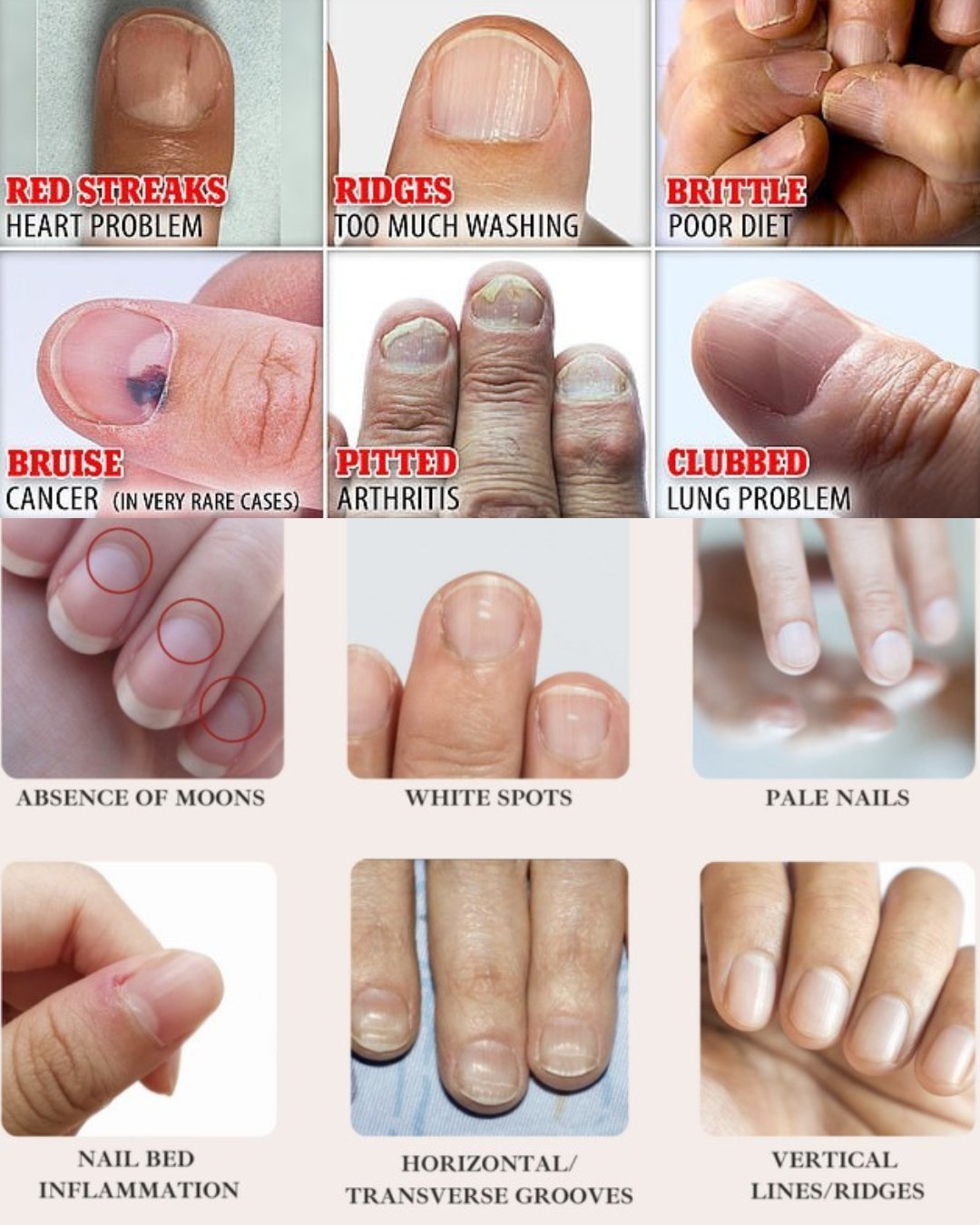
Nails are often overlooked in discussions about health, yet they can provide valuable insights into our overall well-being. The appearance, texture, and color of your nails can reflect various health conditions, nutritional deficiencies, and lifestyle factors. In this article, we will explore nine key indicators that your nails can reveal about your health and what you can do to address any issues.
1. Nail Color Changes
What It Means
The color of your nails can indicate a variety of health issues. Here are some common color changes and their potential meanings:
- Pale Nails: May suggest anemia, liver disease, or poor circulation.
- Yellow Nails: Often associated with fungal infections, but can also indicate respiratory issues or thyroid disease.
- Blue Nails: A sign of low oxygen levels in the blood, which can indicate respiratory or cardiovascular problems.
- White Nails: May signal liver disease, particularly if accompanied by a distinct white band.
What to Do
If you notice significant color changes in your nails, consult a healthcare professional for an evaluation. They can help determine if there are underlying health issues that need to be addressed.
2. Nail Shape and Texture
What It Means
The shape and texture of your nails can also provide clues about your health:
- Curved or Spoon-Shaped Nails (Koilonychia): Often associated with iron deficiency anemia or other systemic conditions.
- Brittle Nails: Can indicate nutritional deficiencies, particularly a lack of biotin, iron, or other essential nutrients.
- Ridges: Vertical ridges are usually harmless and common with age, but horizontal ridges (Beau’s lines) can indicate underlying health issues, such as trauma or severe illness.
What to Do
To improve nail strength and texture, ensure you’re consuming a balanced diet rich in vitamins and minerals. If changes persist, seek medical advice.
3. Nail Growth Rate
What It Means
Nail growth can be influenced by several factors, including age, diet, and health. Generally, fingernails grow about 1/8 inch (3 mm) per month, while toenails grow more slowly.
- Slow Growth: Could indicate poor circulation, nutritional deficiencies, or underlying health conditions.
- Rapid Growth: May signal hyperthyroidism or other hormonal imbalances.
What to Do
Monitor your nail growth rate and consider factors like diet and circulation. If you notice significant changes, consult a healthcare professional for further evaluation.
4. Nail Clubbing
What It Means
Nail clubbing is characterized by the rounding and enlargement of the fingertips and nails. It can occur in various medical conditions:
- Lung Diseases: Conditions like chronic obstructive pulmonary disease (COPD) or lung cancer can cause clubbing due to low oxygen levels.
- Cardiovascular Issues: Congenital heart disease or other heart conditions can also lead to changes in nail shape.
What to Do
If you notice signs of nail clubbing, seek medical advice promptly. Early diagnosis and treatment of underlying conditions can significantly impact health outcomes.
