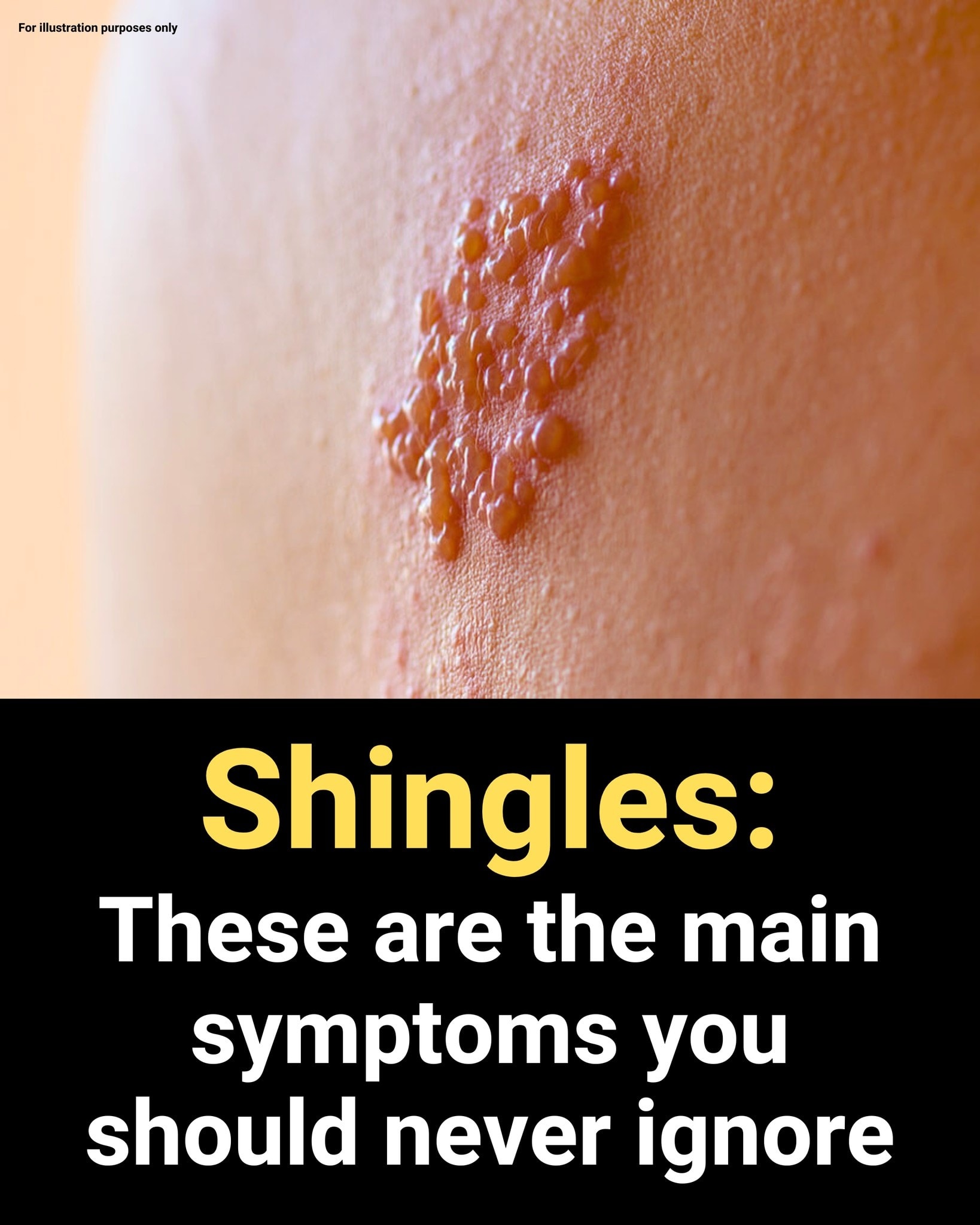
Who is at risk for shingles?
Anyone who has had chickenpox is at risk for shingles, especially as they get older. You can’t develop shingles unless you’ve been exposed to the chickenpox virus. However, more than 99% of Americans born in or before 1980 have had chickenpox, even if they don’t remember having it.
About 1 in 3 people in the United States will develop shingles in their lifetime, usually after age 50. Although shingles can affect younger adults and even children, it is most common in older adults. People with weakened immune systems are also at greater risk.
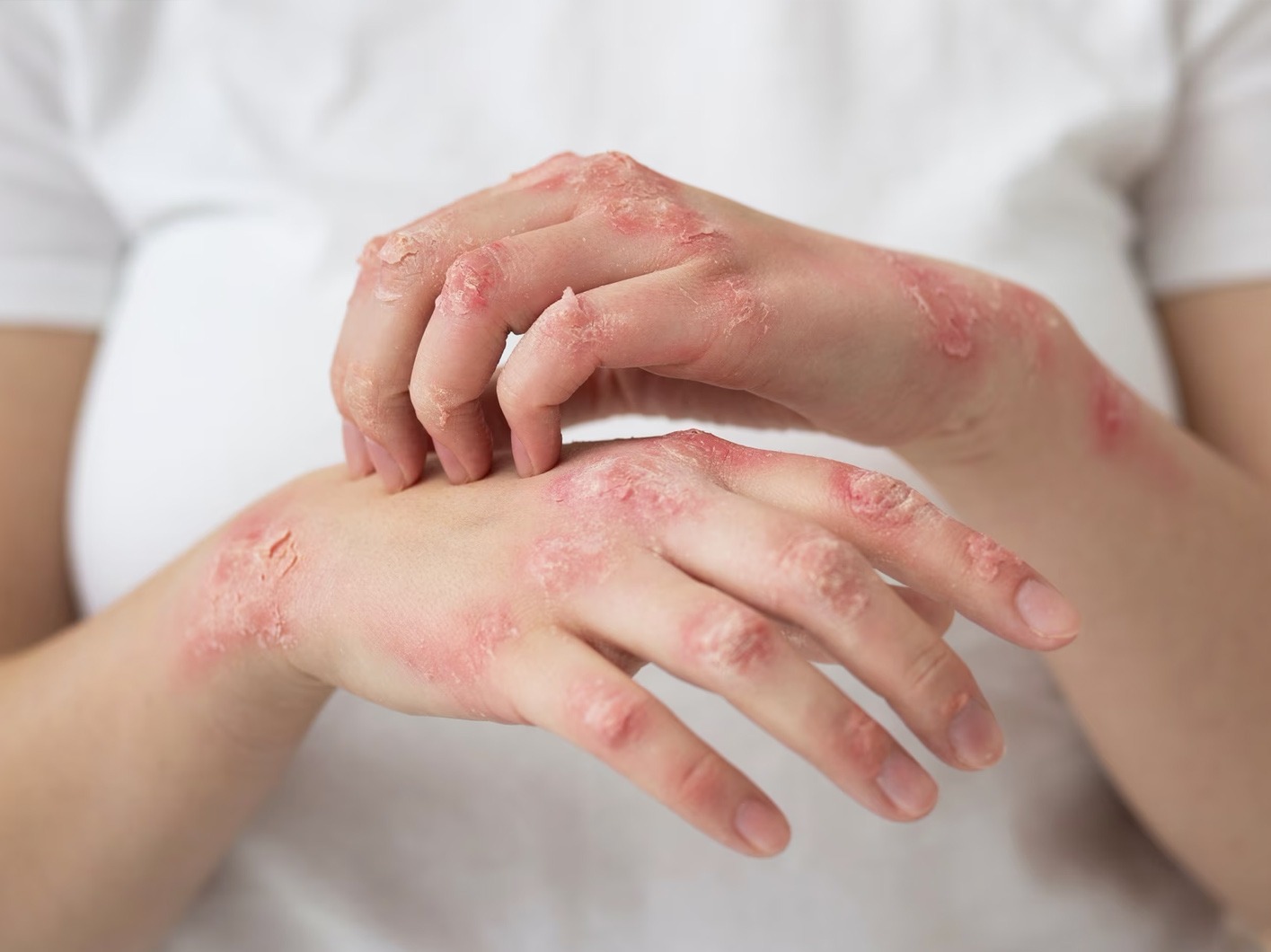
What are the possible complications?
While shingles itself can be very painful and uncomfortable, it can also lead to serious complications. The most common complication is postherpetic neuralgia (PHN), a condition that causes severe nerve pain in the areas affected by the shingles rash. PHN pain can last for weeks or even months after the rash clears up. For some people, the pain is so severe that it hurts to put on clothing. Fortunately, it usually gets better over time.
Other potential complications include vision loss or hearing problems if it develops near the eyes or ears. Very rarely, shingles can also lead to pneumonia, brain inflammation, or even death.
How is shingles treated?
Treating shingles quickly with antiviral drugs can shorten the duration and reduce the severity of its symptoms. These medications include acyclovir, valacyclovir, or famciclovir.
For most healthy people who get treatment quickly, shingles usually goes away within three to five weeks, and the blisters often leave no scars. However, some people may experience lingering pain from PHN.
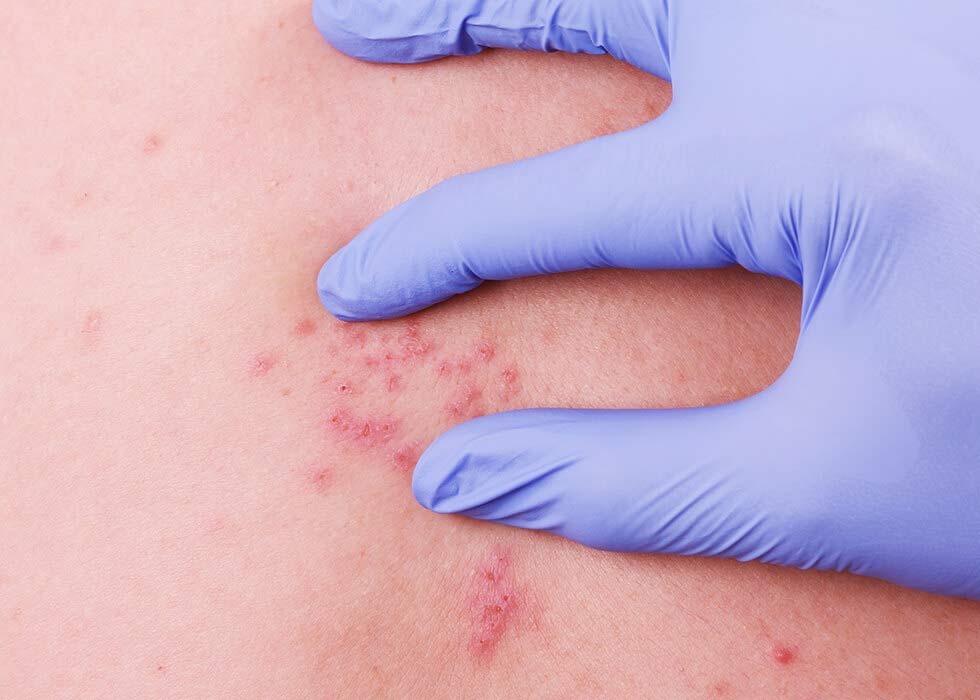
Tips for coping
If you do develop shingles, there are ways to manage the condition. Here are a few tips:
- Apply cool, wet compresses to the rash to relieve pain and itching. An oatmeal bath or anti-itch cream such as calamine lotion can also help sooth your skin.
- Wear loose-fitting clothing made of natural fibers to reduce skin irritation.
- Keep the rash clean and covered to prevent spreading the virus to others.
- Follow your health care provider’s instructions for antiviral medications and pain management.
- Support your immune system by doing what you can to reduce stress (which can worsen symptoms) and getting plenty of rest.
Remember, if you think you might have shingles, treating it early is important, so contact your health care provider as soon as possible to discuss treatment options.
Can shingles be prevented?

The most effective way to prevent shingles is to get vaccinated. The Centers for Disease Control and Prevention (CDC) recommends Shingrix for all healthy adults 50 years and older, regardless of whether they’ve had shingles before. Shingrix was first approved by the Food and Drug Administration in 2017. According to the CDC, two doses of Shingrix are more than 90% effective at preventing shingles and its potential complications.
Is shingles contagious?
While shingles is not contagious, the varicella-zoster virus is. If you have an active outbreak of shingles, you can pass the virus on to someone who has never had chickenpox or who has not been vaccinated against it.
If this happens, the infected person will not develop shingles, but rather chickenpox. Therefore, it is essential to take precautions to prevent transmission.
