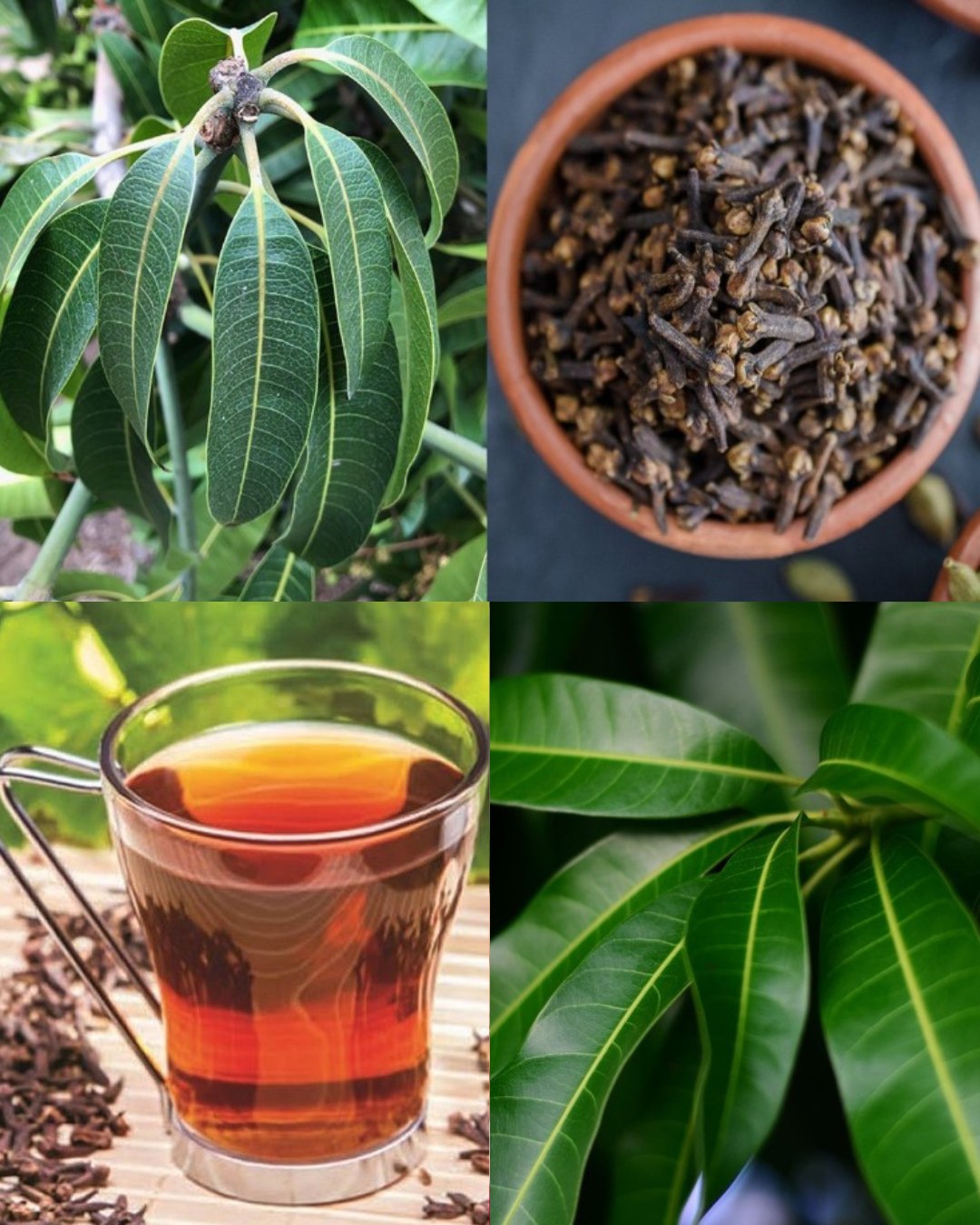
ngo leaves, often overlooked in the culinary world, are packed with vitamins and minerals. When combined with the warm, aromatic flavor of cloves, they create a delightful herbal tea that not only tastes great but also offers numerous health benefits. This article will guide you through the process of making mango leaf tea with cloves, explore the health benefits of both ingredients, and discuss how this tea can fit into a healthy lifestyle.
Understanding Mango Leaves
Nutritional Profile
Mango leaves are rich in:
- Vitamins: They contain vitamins A, C, and E, which are essential for immune function and skin health.
- Minerals: High levels of potassium, magnesium, and calcium help in various bodily functions.
- Antioxidants: Mango leaves are loaded with polyphenols, which can help protect against oxidative stress.
Health Benefits of Mango Leaves
- Diabetes Management: Mango leaves can help regulate blood sugar levels, making them beneficial for diabetics.
- Anti-Inflammatory Properties: The leaves have anti-inflammatory qualities that can aid in reducing inflammation in the body.
- Digestive Health: They may help alleviate digestive issues, including diarrhea and indigestion.
- Respiratory Health: The leaves can be used to relieve coughs and improve respiratory function.
Understanding Cloves
Nutritional Profile
Cloves are aromatic flower buds that are also packed with nutrients:
- Vitamins: High in vitamins C and K.
- Minerals: Rich in manganese, calcium, and magnesium.
- Antioxidants: Cloves contain eugenol, a powerful antioxidant with anti-inflammatory properties.
Health Benefits of Cloves
- Digestive Aid: Cloves can help improve digestion and relieve gas and bloating.
- Pain Relief: Eugenol in cloves can act as a natural pain reliever.
- Antimicrobial Properties: Cloves have natural antibacterial and antiviral properties, which can help in fighting infections.
- Blood Sugar Control: Cloves may help in managing blood sugar levels, making them beneficial for diabetics.
How to Make Mango Leaf Tea with Cloves
Ingredients
To make a delicious and nutritious cup of mango leaf tea with cloves, you will need:
- Fresh or dried mango leaves: 5-10 leaves (fresh is preferable, but dried works too)
- Cloves: 2-3 whole cloves (more if you enjoy a stronger flavor)
- Water: 2 cups
- Honey or lemon (optional): For added sweetness or flavor
Instructions
Step 1: Prepare the Mango Leaves
- Harvest or Purchase: If you have access to a mango tree, you can pick fresh leaves. Otherwise, dried mango leaves can be found in health food stores or online.
- Wash: Rinse fresh leaves thoroughly under running water to remove any dirt or impurities.
- Chop: For better extraction of flavors, chop the leaves into smaller pieces.
Step 2: Boil the Water
- Heat Water: In a pot, bring 2 cups of water to a rolling boil.
- Add Mango Leaves and Cloves: Once the water is boiling, add the prepared mango leaves and cloves to the pot.
Step 3: Steep the Tea
- Reduce Heat: Lower the heat to a simmer and let the mixture steep for about 10-15 minutes. This allows the nutrients and flavors to infuse into the water.
- Monitor Color: The water should take on a light green hue, indicating that the flavors are being extracted.
Step 4: Strain and Serve
- Strain the Tea: After steeping, use a fine mesh strainer to remove the leaves and cloves from the liquid.
- Taste and Adjust: Taste the tea. If desired, add honey or lemon for sweetness or extra flavor.
- Serve: Pour the tea into cups and enjoy warm.
Storage Tips
- Refrigeration: If you have leftovers, store the tea in an airtight container in the refrigerator for up to two days. Reheat before serving.
- Dried Leaves: If using dried mango leaves, store them in a cool, dry place away from direct sunlight to maintain freshness.
