How to Use:
- Ensure there is enough water in the sink to cover the bottom of the plunger.
- Place the plunger over the drain and push down firmly, creating a vacuum.
- Pull up sharply to create suction. Repeat several times if necessary.
2. Plumbing Snake
A plumbing snake, or auger, can help remove more stubborn clogs.
How to Use:
- Insert the snake into the drain until you feel resistance.
- Turn the handle to dislodge the clog and pull it out.
- Flush the drain with hot water afterward.
3. Wire Hanger
A modified wire hanger can serve as a makeshift drain snake for hair clogs.
How to Use:
- Unravel the hanger to create a long, straight piece of wire with a small hook at one end.
- Insert the hook into the drain and fish out hair or debris.
- Be gentle to avoid damaging the pipes.
Preventive Measures
1. Regular Cleaning
Regularly cleaning your drains can prevent clogs from forming. Consider using a baking soda and vinegar routine once a month to keep pipes clear.
2. Use Drain Screens
Installing drain screens or strainers in sinks and tubs can catch hair and food particles, preventing them from going down the drain.
3. Be Mindful of What Goes Down the Drain
Avoid putting grease, coffee grounds, or large food particles down the sink. Use composting for food scraps and dispose of grease in the trash.
4. Flush with Hot Water
Regularly flushing your drains with hot water can help dissolve any buildup and keep pipes clear.
Dealing with Stubborn Clogs
If your homemade methods don’t work, there are other steps you can take before calling a plumber.
1. Chemical Drain Cleaners
While not entirely homemade, there are eco-friendly chemical drain cleaners available that can help if natural methods fail. Always follow the instructions and safety precautions when using these products.
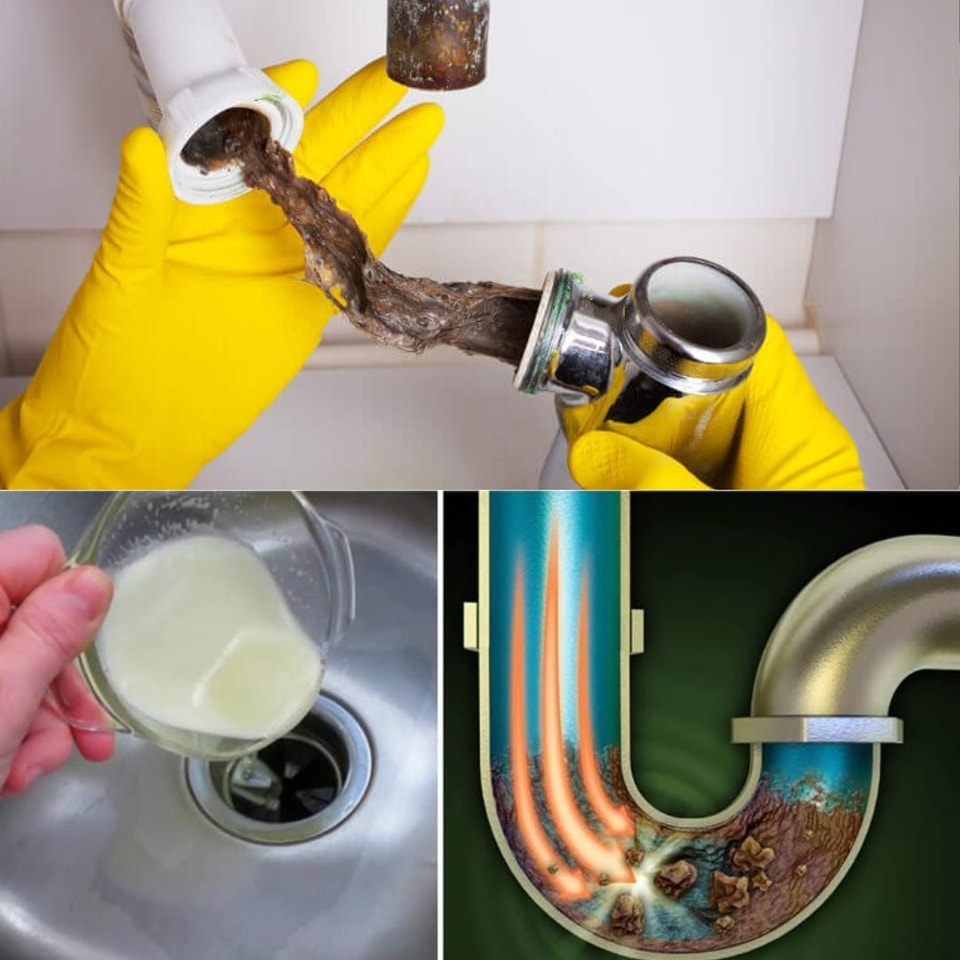
2. Inspect the P-Trap
The P-trap is the curved pipe under your sink that can accumulate debris and cause clogs. If you’re comfortable, you can:
- Place a bucket under the sink to catch any water.
- Unscrew the P-trap and clean out any debris.
- Reassemble it securely.
3. Check for Venting Issues
Sometimes, clogs can be related to venting issues in the plumbing system. If you suspect this might be the case, it’s best to consult a professional.
When to Call a Plumber
While many clogs can be managed with homemade methods, there are times when it’s best to call a plumber:
- Persistent Clogs: If you’ve tried multiple methods without success.
- Multiple Clogs: If several drains in your home are clogged at once, this could indicate a larger plumbing issue.
- Sewage Backup: If you notice sewage backing up into your home, it’s crucial to call a professional immediately.
Conclusion
Clogged drains and pipes can be a hassle, but with these homemade tips, you can tackle most issues without the need for a plumber. By using common household ingredients and employing physical methods, you can maintain clean and functional drains. Regular maintenance and preventive measures will further ensure that your plumbing system remains in good condition.
Final Thoughts
Embrace these homemade cleaning solutions to keep your drains and pipes clear and odor-free. With a little effort and the right techniques, you can avoid costly plumbing bills and enjoy the satisfaction of a well-maintained home. Whether it’s using baking soda and vinegar or simply being mindful of what goes down your drains, proactive care can lead to long-term plumbing success.
