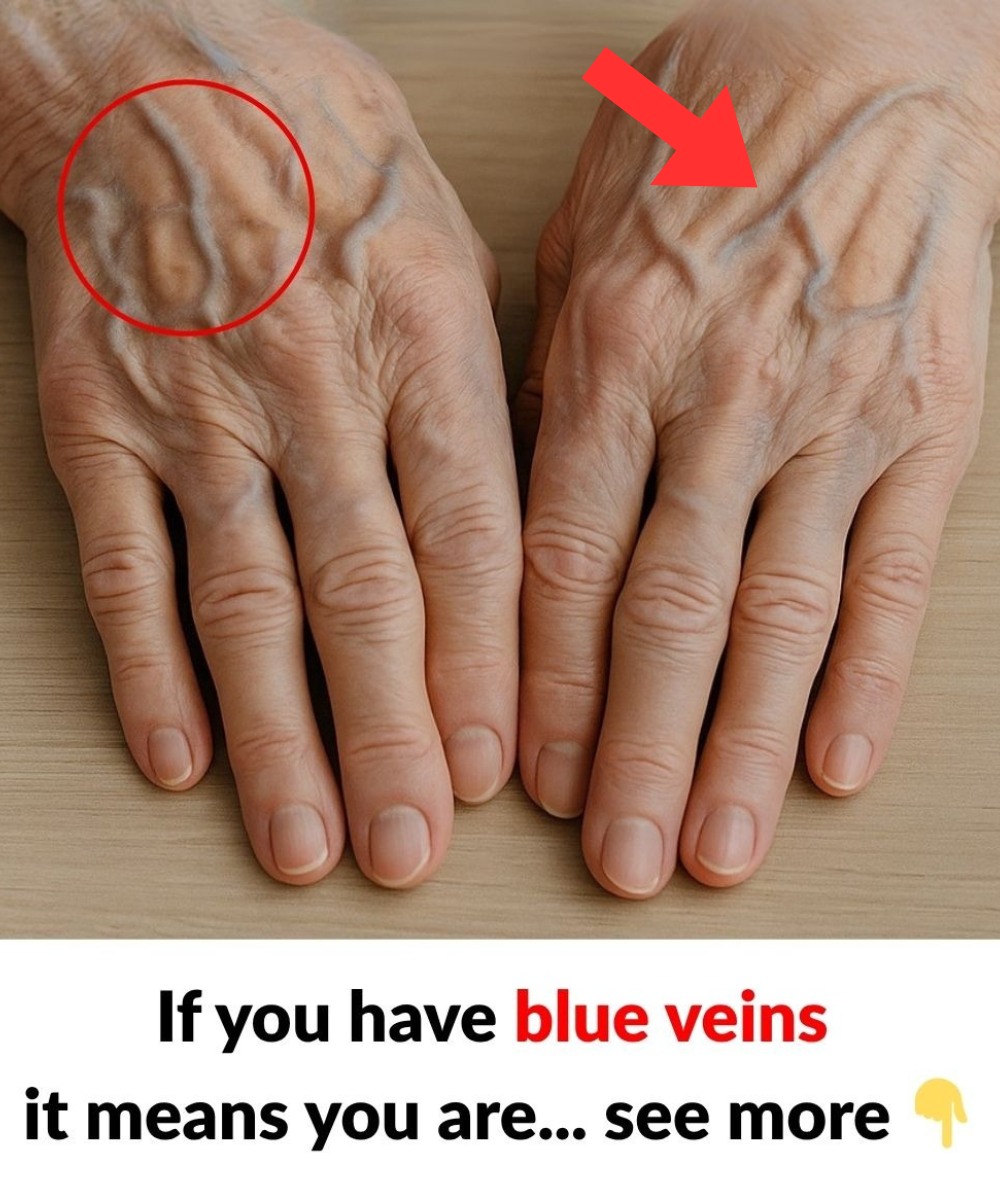
As we age, many people notice changes in their bodies that can be both surprising and concerning. One common change is that veins become more prominent and noticeable, especially on the hands, arms, and legs. This phenomenon raises questions about its causes and implications for health. In this article, we will explore the reasons behind this change, the factors that contribute to visible veins, and what you can do to maintain healthy circulation as you age.
Understanding the Anatomy of Veins
The Role of Veins in the Circulatory System
Veins are a crucial part of the circulatory system, responsible for returning deoxygenated blood from the body back to the heart. Unlike arteries, which carry blood away from the heart, veins have thinner walls and larger lumens. They rely on valves to prevent backflow and ensure blood flows in one direction.
Anatomy of Veins
- Structure: Veins consist of three layers—an outer layer of connective tissue, a middle layer of smooth muscle, and an inner layer of endothelial cells. The structure allows veins to be flexible and expandable, accommodating varying volumes of blood.
- Valves: Many veins, especially those in the legs, contain valves that prevent blood from pooling. This is particularly important for maintaining proper circulation against gravity.
- Types of Veins: There are several types of veins in the body, including superficial veins (close to the skin’s surface) and deep veins (located deeper within the body). Superficial veins are typically more visible than deep veins.
The Aging Process and Vein Visibility
Skin Changes with Age
As we age, our skin undergoes various changes that can affect the visibility of veins:
- Thinning Skin: One of the most significant changes is the thinning of the skin. The dermis, which contains collagen and elastin, becomes less dense and loses its elasticity. This thinning can make veins more prominent as the layer of skin that conceals them becomes less substantial.
- Loss of Fat: Subcutaneous fat, which helps cushion the skin and maintain its plumpness, diminishes with age. This loss can lead to a more skeletal appearance, making veins more visible.
- Sun Damage: Prolonged exposure to the sun can accelerate skin aging, leading to wrinkles, age spots, and a loss of elasticity. Sun-damaged skin can exacerbate the visibility of veins.
Changes in Muscle and Bone Structure
As we age, muscle mass tends to decrease, a condition known as sarcopenia. This loss of muscle can lead to a more pronounced appearance of veins, especially in the arms and legs, where muscles are less able to provide coverage and support.
Hormonal Changes
Hormonal fluctuations, particularly in women during menopause, can also affect the skin and veins. Estrogen, which helps maintain skin elasticity and thickness, decreases with age, contributing to the thinning of the skin.
Factors That Contribute to Visible Veins
Genetics
Genetics play a significant role in determining how pronounced your veins will be as you age. If your parents or grandparents had noticeable veins, you might be more likely to experience the same. Genetic predisposition can influence factors such as skin thickness, vein structure, and overall circulation.
Lifestyle Factors
Several lifestyle choices can impact vein visibility:
- Exercise: Regular physical activity promotes good circulation and helps maintain muscle mass. Weight-bearing exercises can strengthen the muscles around veins, potentially reducing their visibility.
- Diet: A diet high in processed foods, salt, and sugar can lead to weight gain and increased pressure on veins. Conversely, a diet rich in fruits, vegetables, lean proteins, and healthy fats can support overall vascular health.
- Hydration: Staying well-hydrated is essential for maintaining good circulation. Dehydration can lead to reduced blood volume, causing veins to appear more prominent.
- Smoking: Smoking damages blood vessels and can lead to poor circulation. It also accelerates the aging process of the skin, contributing to noticeable veins.
- Weight: Excess weight can put additional pressure on the veins, making them more prominent. Maintaining a healthy weight can help alleviate this pressure.
Medical Conditions
Certain medical conditions can contribute to the visibility of veins:
- Varicose Veins: Varicose veins are swollen, twisted veins that can become more prevalent with age. They occur when the valves in veins weaken, allowing blood to pool. This condition can cause discomfort and make veins more visible.
- Chronic Venous Insufficiency (CVI): CVI occurs when the veins cannot efficiently return blood to the heart. Symptoms may include swelling, pain, and visible veins.
- Hormonal Disorders: Conditions that affect hormone levels, such as hyperthyroidism, can lead to changes in skin and vein appearance.
When to Seek Medical Advice
While visible veins are often a normal part of aging, certain symptoms may warrant a visit to a healthcare professional:
- Pain or Discomfort: If you experience pain, swelling, or discomfort in your legs, it could indicate a more serious condition.
- Skin Changes: Sudden changes in skin color or texture, especially around the veins, should be evaluated by a doctor.
- Worsening Symptoms: If you notice a rapid increase in visible veins or other symptoms, such as leg ulcers or bleeding, seek medical attention.
