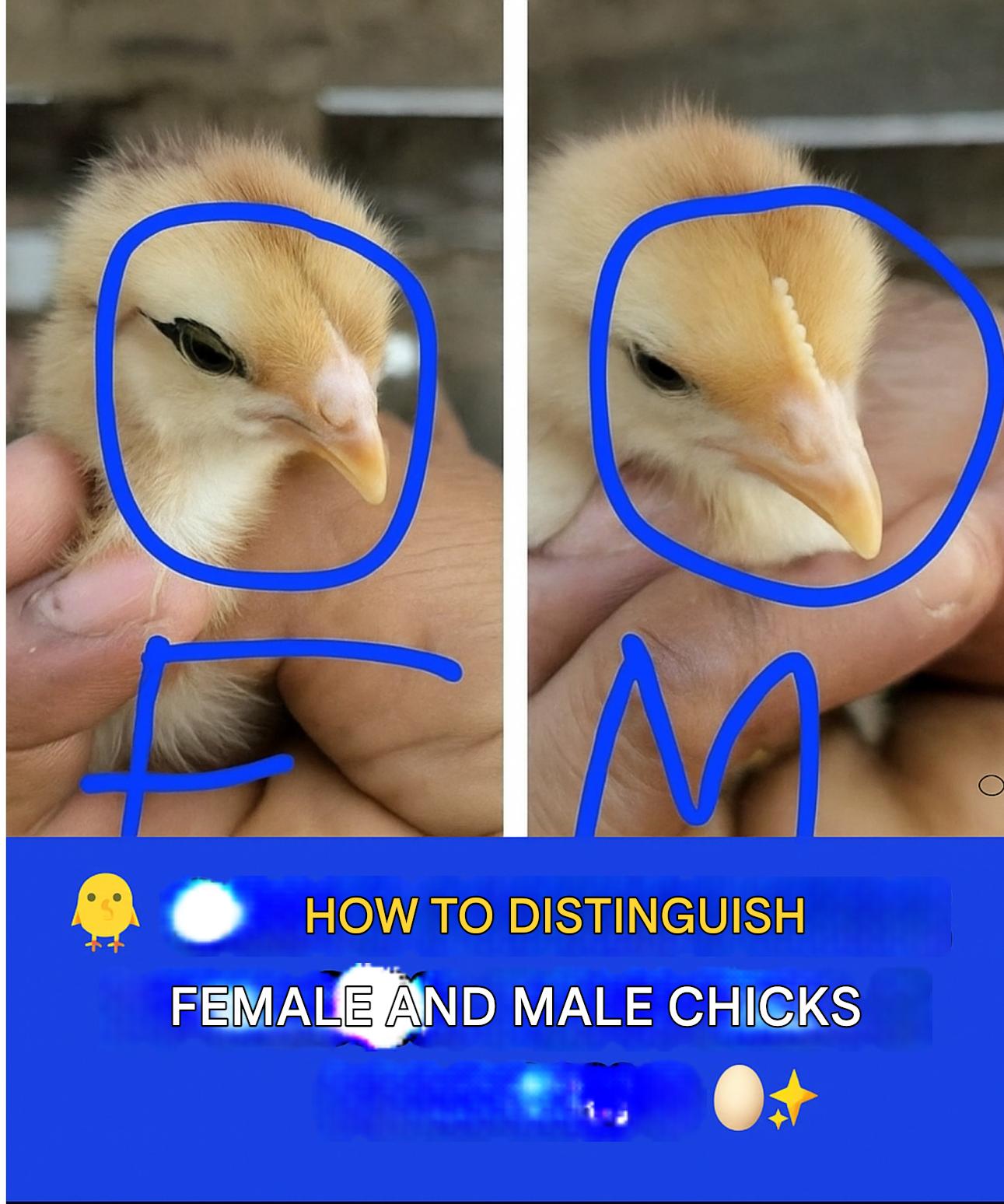
Differentiating between male and female chicks, a process known as sexing, is crucial for poultry farmers and enthusiasts alike. Understanding the differences can help optimize egg production, manage flock behavior, and improve overall farm efficiency. This guide will explore various methods for sexing chicks, their advantages and disadvantages, and practical considerations for aspiring poultry keepers.
1. Importance of Sexing Chicks
Understanding the sex of chicks is vital for several reasons:
1.1 Economic Considerations
- Egg Production: Only female chicks will lay eggs. Knowing the sex helps farmers make informed decisions about their flock composition.
- Meat Production: Male chicks typically grow faster and larger, making them preferable for meat production.
1.2 Behavioral Management
- Social Dynamics: Males and females can exhibit different social behaviors, which can affect flock harmony.
- Space and Resources: Males may require different space and resource allocation compared to females.
1.3 Reducing Costs
By accurately sexing chicks, farmers can avoid unnecessary feeding and care costs associated with raising unwanted male chicks.
2. Methods for Differentiating Chicks
There are several methods for sexing chicks, each with its advantages and disadvantages. Here, we will explore the most common techniques.
2.1 Visual Sexing
Visual sexing involves observing physical characteristics that differ between male and female chicks.
2.1.1 Size and Growth Rates
- General Size: Male chicks are often larger than females from a young age. This can vary by breed, but it’s a general trend.
- Growth Rates: Males typically grow faster, which can be noticeable within the first few weeks.
2.1.2 Comb and Wattles
- Comb Size: In some breeds, males will develop larger combs sooner than females. This is particularly noticeable after a few weeks.
- Wattle Development: Males often have more prominent wattles, which can be a distinguishing feature.
2.1.3 Feather Patterns
- Pullet vs. Cockerel: In certain breeds, females will develop feathers more slowly than males. This can provide clues in the early days.
- Color Differences: Some breeds exhibit color differences between sexes, which can be useful for identification.
2.2 Vent Sexing
Vent sexing is a more precise method, involving examination of the chick’s vent (the cloaca).
2.2.1 Technique
- Preparation: Hold the chick gently, ensuring it is calm.
- Observation: By gently pressing the abdomen, the vent can be observed. Males typically have a more pointed vent, while females have a more rounded one.
2.2.2 Precision and Training
- Skill Requirement: This method requires considerable skill and practice. Mistakes can lead to incorrect sexing.
- Training: Professional training is recommended for those who wish to use this method effectively.
2.3 Genetic Sexing
Genetic sexing involves analyzing the DNA of the chick to determine its sex.
